Must-See Places in Shanghai for First-Time Visitors

HopeGoo Travel Adviser
Last Updated: 2026-07-27 19:16:33
Shanghai combines historic waterfront buildings, modern skyscrapers, traditional gardens, museums and distinctive neighborhoods. First-time visitors can experience the city’s main contrasts by focusing on several well-connected attraction areas rather than trying to cover the entire city.
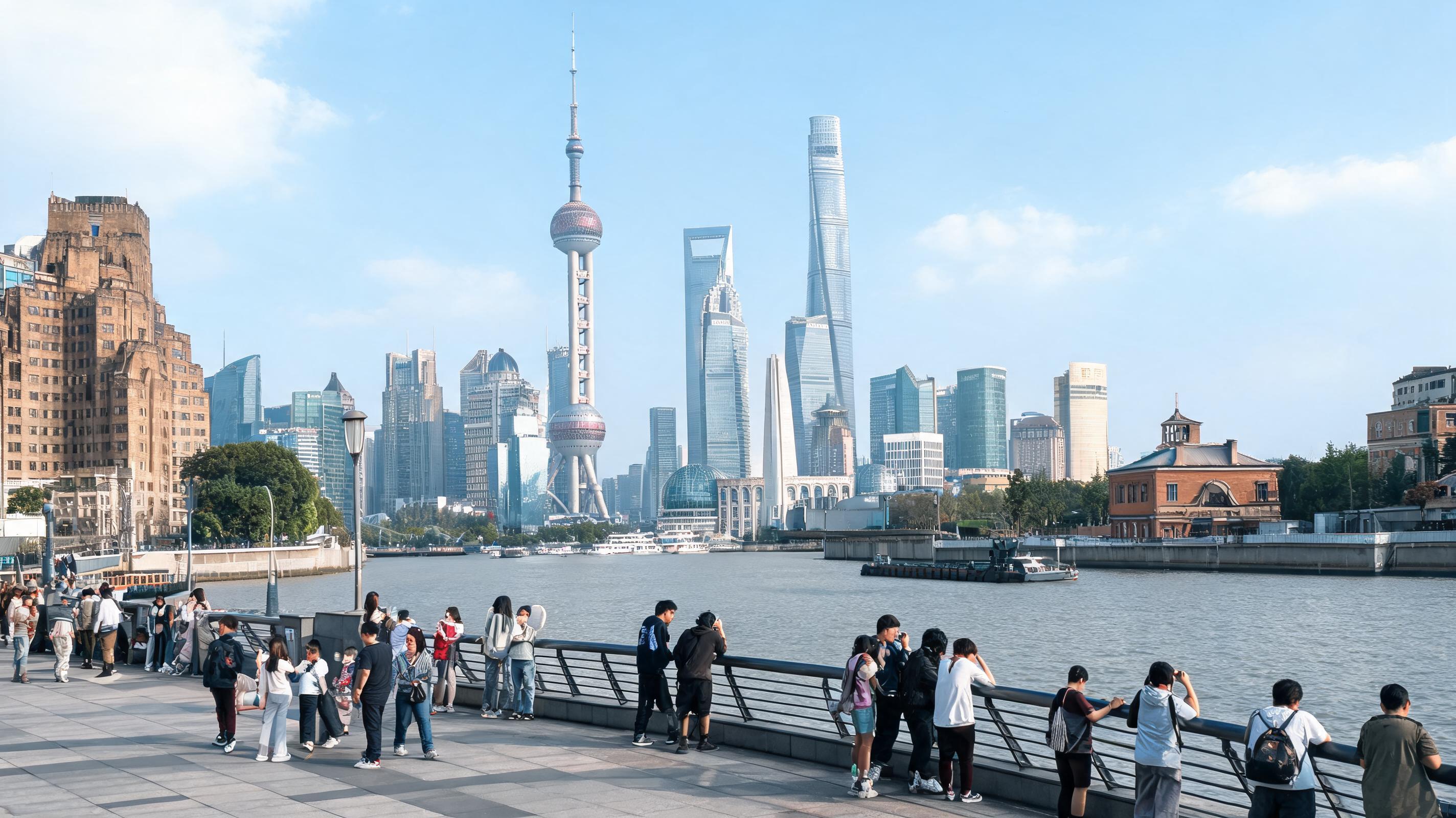
The Bund, Lujiazui, Yu Garden, Nanjing Road and the former French Concession are the most important places for a first visit. Add the Shanghai Museum, a river cruise or Shanghai Disney Resort when time allows.
Essential Shanghai Attractions for First-Time Visitors
Travelers with one to three days should prioritize attractions that represent Shanghai’s skyline, history, culture and local city life.
The Bund
The Bund is Shanghai’s most recognizable waterfront promenade. Its historic commercial buildings face the modern towers of Lujiazui across the Huangpu River.
Early morning is suitable for quieter walks, while evening offers illuminated skyline views. The promenade can become crowded during weekends and public holidays.
Lujiazui
Lujiazui is Shanghai’s modern financial district and includes Shanghai Tower, the Oriental Pearl Tower, Jin Mao Tower and Shanghai World Financial Center.
Visitors can walk through the district, explore shopping centers or choose one observation deck. Visibility depends on weather and air quality, so check conditions before purchasing a timed ticket.
Nanjing Road
Nanjing Road is one of Shanghai’s main commercial streets, connecting the Bund area with People’s Square and extending toward Jing’an.
East Nanjing Road is particularly popular with visitors because of its pedestrian section, department stores, restaurants and convenient metro access. Travelers do not need to walk the entire road to experience the area.
Yu Garden and Old City
Yu Garden is a traditional Jiangnan-style garden with pavilions, ponds, rockeries and landscaped courtyards. The surrounding commercial area contains restaurants, snack shops and historic-style buildings.
Allow approximately two to three hours for the garden and nearby streets. Current ticket and reservation requirements should be checked before visiting.
Former French Concession
The former French Concession covers parts of Xuhui and Huangpu districts. It is known for tree-lined roads, historic residences, cafes, boutiques and low-rise neighborhoods.
Popular walking areas include Wukang Road, Anfu Road, Fuxing Road and Huaihai Road. Because the district is large, choose a specific group of streets rather than trying to cover everything in one visit.
Shanghai Museum
The Shanghai Museum is known for collections of Chinese bronze, ceramics, painting, calligraphy and other historical objects. Shanghai Museum East in Pudong provides additional galleries and exhibitions.
Admission and reservation policies vary between locations and exhibitions. Check the official museum information before arrival.
Top Shanghai Landmarks
Shanghai’s best-known landmarks are concentrated around the Bund and Lujiazui, making them easy to combine within one day.
Oriental Pearl Tower
The Oriental Pearl Tower is one of Shanghai’s earliest modern skyline landmarks. It contains observation areas, exhibitions and entertainment facilities.
Ticket types and access levels vary, so compare the available options before booking.
Shanghai Tower
Shanghai Tower reaches 632 meters and is the tallest building in China. Its observation deck provides wide views across central Shanghai when weather conditions are suitable.
Shanghai World Financial Center
Shanghai World Financial Center is recognized by its rectangular opening near the top. Observation areas provide views toward the Bund and neighboring towers.
The Bund’s Historic Buildings
The Bund includes early twentieth-century buildings influenced by neoclassical, Gothic, Baroque and Art Deco styles. The exterior architecture can be viewed freely from the promenade.
Jing’an Temple
Jing’an Temple is a Buddhist temple surrounded by offices, malls and busy commercial streets. It provides a strong visual contrast between traditional religious architecture and modern Shanghai.
Shanghai Disney Resort
Shanghai Disney Resort is located outside the central sightseeing area and normally requires one full day. Families and theme-park visitors should check current ticket rules, operating hours, ride closures and transport arrangements before visiting.
Historic and Cultural Places in Shanghai
Visitors who want to look beyond the skyline can add temples, museums, art districts and local public spaces.
Longhua Temple
Longhua Temple is one of Shanghai’s best-known Buddhist sites. The complex includes temple halls, courtyards and a historic pagoda that is generally viewed from outside its restricted area.
Visitors should dress respectfully and follow posted photography and worship rules.
M50 Art District
M50 is a former industrial area that now contains galleries, studios and creative spaces. Exhibition availability changes regularly, so it is best suited to travelers comfortable exploring without a fixed list of major attractions.
People’s Park
People’s Park is located near People’s Square, museums and Nanjing Road. It offers green space and a view of daily city life.
A weekend matchmaking gathering is sometimes held within the park, but visitors should avoid intrusive photography and respect the privacy of participants.
Huangpu River Cruise
A Huangpu River cruise provides views of the Bund and Lujiazui from the water. Evening cruises are especially popular because both sides of the river are illuminated.
Departure locations, routes, ticket prices and weather policies vary. Confirm the current information before booking.
Shanghai Neighborhoods and Waterfront Areas
Shanghai is best understood not only through individual attractions but also through neighborhoods with different architecture and street life.
The Bund and North Bund
The Bund provides the classic skyline view, while the North Bund offers additional waterfront spaces and different angles toward Lujiazui.
The two areas are not one continuous short walk for every traveler, so check the route and transport options before combining them.
Tianzifang
Tianzifang is a network of lanes containing small shops, cafes, studios and restaurants within adapted shikumen buildings.
The lanes are narrow and can become crowded. Visitors mainly interested in authentic residential architecture may prefer quieter streets elsewhere in the former French Concession.
Xintiandi
Xintiandi combines restored shikumen-style architecture with restaurants, bars, shops and public spaces. It is suitable for dining and evening walks but has a more commercial atmosphere than a traditional residential lane.
Lujiazui Waterfront
The Lujiazui waterfront provides views toward the Bund and can be combined with observation towers and nearby shopping centers.
Pudong Riverside Areas
Several riverside parks and walking paths extend through Pudong. These areas are useful for cycling, walking and viewing the historic Puxi waterfront from across the river.
How to Prioritize Shanghai Attractions on a Short Trip
The most efficient approach is to group nearby places together and select one main theme for each day.
Suggested Two-Day Plan
Day One: Skyline and Historic Core
- The Bund
- Nanjing Road
- Yu Garden and Old City
- Lujiazui
- Optional evening river cruise
Day Two: Culture and Neighborhoods
- Shanghai Museum or Shanghai Museum East
- Former French Concession
- Xintiandi or Tianzifang
- Optional Jing’an Temple
Suggested Three-Day Plan
Use the two-day route above and add one of the following:
- Shanghai Disney Resort
- Zhujiajiao Water Town
- M50 Art District and Suzhou Creek
- Additional museums and West Bund art venues
- A slower food and neighborhood day
Trying to cover ten or more major attractions in two days can create an unnecessarily rushed schedule. Two or three main areas per day are more realistic.
Shanghai Must-See Areas at a Glance
| Area | Main Experience | Best For | Suggested Time |
|---|---|---|---|
| The Bund and Nanjing Road | Historic waterfront, skyline and shopping | First-time visitors and photographers | Three to five hours |
| Lujiazui | Skyscrapers, observation decks and malls | Architecture and skyline enthusiasts | Three to five hours |
| Yu Garden and Old City | Traditional garden and commercial streets | Culture, architecture and food | Two to three hours |
| Former French Concession | Historic streets, cafes and boutiques | Walking, dining and neighborhood exploration | Half day |
| Shanghai Museum | Chinese art and historical collections | Culture-focused visitors | Two to four hours |
| Shanghai Disney Resort | Theme-park rides and entertainment | Families and theme-park visitors | Full day |
Actual costs depend on ticket type, travel date, dining choices and selected activities. Many outdoor areas are free, while observation decks and theme parks are more expensive.
Booking Shanghai Travel Products with HopeGoo
HopeGoo is an online travel booking platform rather than a customized tour, private-guide or city-walk provider.
Travelers can use HopeGoo to search available:
- Flights to and from Shanghai
- Hotels in different districts
- Train tickets for nearby destinations
- Attraction tickets
- Selected eSIM or SIM products
HopeGoo does not provide private guided routes, custom photography walks, personalized sightseeing plans or local travel consultants. Travelers should verify current attraction, transport and weather information independently.
Frequently Asked Questions About Shanghai’s Must-See Places
How many days do I need for Shanghai’s main attractions?
Two to three full days are enough for the Bund, Lujiazui, Yu Garden, the former French Concession and one museum. Add another day for Shanghai Disney Resort or a nearby day trip.
What should I visit if I only have one day?
Focus on the Bund, Yu Garden or Nanjing Road, and Lujiazui. Add an evening skyline view when your schedule allows.
Are Shanghai’s main attractions expensive?
The Bund, public streets and many parks are free. Museums may offer free admission but require reservations, while observation decks, river cruises, Yu Garden and Shanghai Disney Resort require paid tickets.
What are the best free places in Shanghai?
The Bund, Nanjing Road, the former French Concession, People’s Park, Suzhou Creek and many riverside areas can be explored without an admission fee.
When are Shanghai attractions most crowded?
Major attractions are busiest during weekends, school holidays, the May Day holiday and the National Day holiday. Early mornings and weekdays are generally quieter.
Can HopeGoo plan a customized Shanghai sightseeing route?
No. HopeGoo primarily provides online booking services for flights, hotels, train tickets, attraction tickets and selected connectivity products.
Conclusion
Shanghai’s must-see places are concentrated around several main areas: the Bund and Nanjing Road, Lujiazui, Yu Garden, the former French Concession and major museums.
Two or three days are enough for most first-time visitors when attractions are grouped by location. Free waterfront walks and neighborhood exploration can be combined with selected paid attractions such as observation decks, river cruises and theme parks.
After selecting your preferred attractions, you can use HopeGoo to search available flights, hotels, train tickets, attraction tickets and selected eSIM or SIM products for your Shanghai trip.