











Hotels in Japan
Discover your perfect stay in Japan.
Destination
Check-in
2026-11-24
Check-out
2026-11-26
Japan Travel 2026: Cheap Flights, Hotels & Top Attractions
Japan at a Glance
Country Summary
Japan, a country that blends tradition and modernity, is renowned for its unique cultural heritage and natural beauty. From the bustling metropolis of Tokyo to the ancient temples of Kyoto, it offers diverse attractions. The cherry blossom season and autumn foliage draw countless visitors. Additionally, onsen (hot springs) and sushi are must-try experiences. Whether exploring historical sites or indulging in shopping and cuisine, Japan caters to all travel preferences.
Best Time to Visit
Japan offers diverse travel seasons, each with its unique charm. Spring (March to May) is famous for cherry blossoms, with Tokyo and Kyoto attracting crowds for hanami (flower viewing), though it can be crowded. Summer (June to August) is ideal for visiting Furano in Hokkaido for lavender fields or Okinawa's beaches, but be mindful of typhoons. Autumn (September to November) showcases stunning autumn foliage, with Kyoto's Arashiyama and Nikko offering breathtaking views amid cool weather. Winter (December to February) is perfect for skiing, with Hokkaido and Nagano being top destinations for snow sports.
Things to Do in Japan
Must-See Attractions
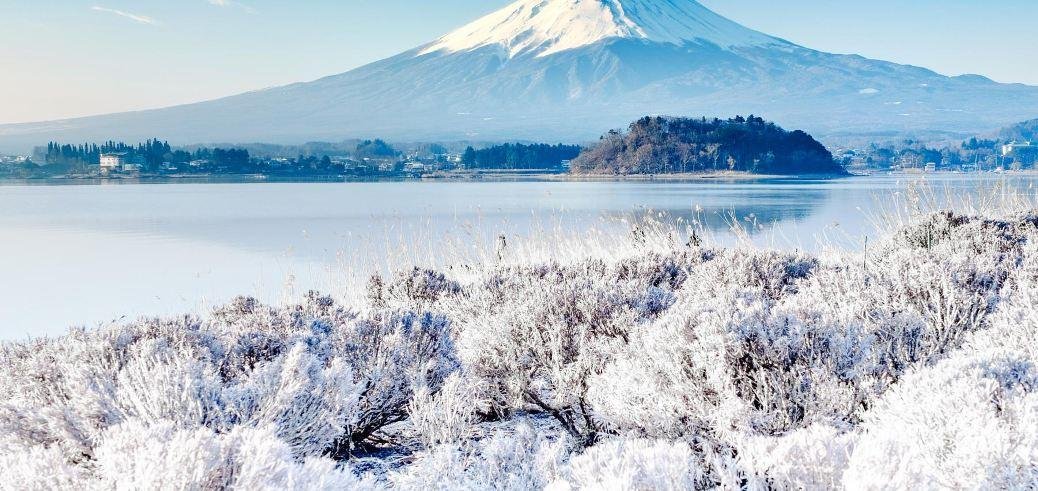
Japan is renowned for its rich cultural heritage and modern urban landscapes. Tokyo’s Senso-ji Temple and Akihabara showcase a blend of tradition and technology, while Kyoto’s Fushimi Inari Shrine and Kinkaku-ji offer deep historical immersion. Mount Fuji is a paradise for nature lovers, and winter brings skiing adventures in Hokkaido. Relax in onsen hot springs like Hakone and Beppu. Culinary delights such as sushi, ramen, and wagyu beef are must-tries.
Best Hotels in Japan
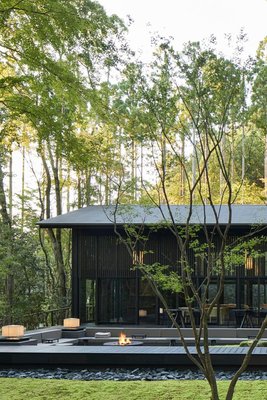
Discover curated hotel collections in Japan
Indulge in the best gourmet hotels in Japan! Exceptional cuisine and culinary experiences.
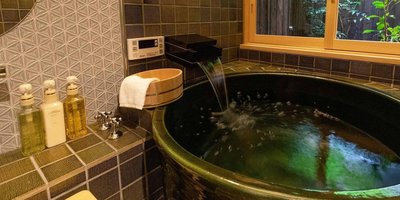
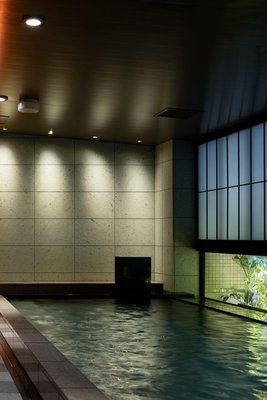
Relax in the best hot spring hotels in Japan! Natural springs and serene relaxation spots.
Stressed out? Sink into the invigorating water at these hot spring hotels - a relaxing treat for body and mind!
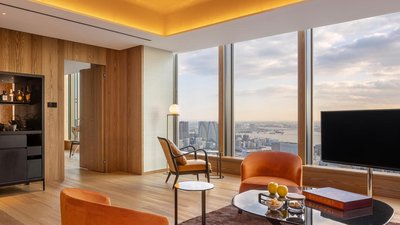
Experience luxury at the best premium hotels in Japan! Unparalleled service and elite accommodations.
Discover luxurious villas in Japan! The best in privacy and elegance for your stay.
Explore the best luxury hotels in Japan! Unmatched elegance and superior service await you.
Find the best family-friendly hotels in Japan! Enjoy comfort and fun for the whole family.
Stay at the most Instagrammable hotels in Japan! Perfect backdrops for your photos.
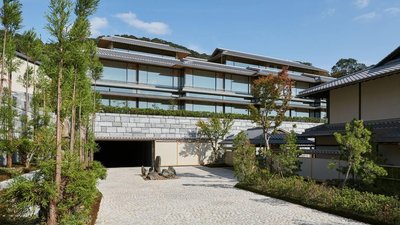
Experience the best cultural hotels in Japan! Immerse in local traditions and artistic vibes.
Settle into your home away from home at these classy Japan homestays where you'll get the VIP treatment you deserve.
Discover the best 4-star hotels in Japan! Enjoy excellent amenities and superior comfort during your stay.
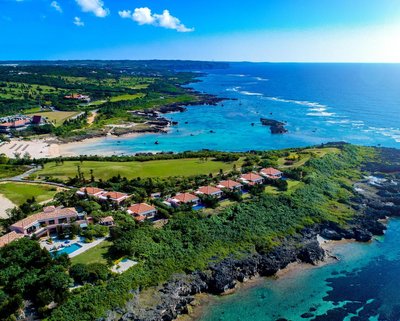
Discover the best scenic hotels in Japan! Stay amidst breathtaking views and natural beauty.
Transport in Japan
Transportation Guide
Japan boasts an efficient public transportation system, making it the top choice for travelers. The Shinkansen (bullet train) connects major cities like Tokyo and Osaka with speed and punctuality. Within urban areas, subways and JR trains provide extensive coverage; purchasing an IC card (e.g., Suica or Pasmo) is recommended for seamless travel.
For shorter distances, buses offer a budget-friendly option, especially for accessing suburban attractions. Renting a car requires adherence to left-side driving rules, and highway tolls can be costly. Alternatively, walking or cycling in historic cities like Kyoto is ideal for cultural exploration.
Travel tip: Avoid rush hours (7:00-9:30 AM, 5:00-7:30 PM) and use navigation apps like Google Maps for precise routing.
Food and Travel Tips for Japan
Food Guide
Japan is renowned for its rich and diverse culinary culture, with each region offering unique traditional dishes. In Tokyo, you can savor fresh sushi and sashimi, which highlight the country's pursuit of ingredient perfection. Osaka is the birthplace of takoyaki and okonomiyaki, boasting a vibrant street food scene. Kyoto's kaiseki cuisine embodies the artistry and refinement of Japanese dining, with each dish emphasizing seasonal flavors and presentation. Additionally, Japan's ramen culture is incredibly varied, ranging from Hokkaido's miso ramen to Kyushu's tonkotsu ramen. Whether at a high-end restaurant or a humble street stall, Japan's culinary experiences are unforgettable.
Travel Tips
- Safety Tips: Japan is prone to earthquakes; download apps like Yurekuru for alerts and familiarize yourself with hotel evacuation routes.
- Transport Etiquette: Maintain silence on trains, set phones to mute, and avoid calls near priority seating.
- Cash Preparation: While digital payments are common in cities, rural shops often accept only cash. Carry sufficient yen.
- Waste Sorting: Public bins are scarce; carry trash bags and follow strict burnable/non-burnable/bottle recycling rules.
- Onsen Manners: Rinse thoroughly before bathing. Tattooed visitors should check if coverage stickers are required.
- Seasonal Gear: Pack insulated boots for Hokkaido winters, and UV protection/compact umbrellas for Okinawa’s subtropical climate.
Useful Information
Japan is a country where tradition meets modernity, offering a rich cultural heritage and cutting-edge technology. In terms of language, Japanese is the primary language, but in tourist areas and major cities, English signage and English-speaking staff are common. For internet and communication, Japan offers various prepaid SIM cards and Wi-Fi rental services, making it easy for travelers to stay connected.
Regarding currency and payment, the yen is the official currency. While credit cards are widely accepted in big cities, cash is still the primary form of payment in small shops or rural areas. It’s advisable to carry sufficient cash or exchange money at the airport beforehand.
In case of emergencies, dial 110 for police or 119 for an ambulance. Japan’s healthcare system is highly advanced, but foreign visitors may face high medical costs, so purchasing travel insurance is recommended.
Additionally, Japan’s public transportation system is incredibly efficient, especially the Shinkansen and subway, making it ideal for exploring major cities.
Frequently Asked Questions about Traveling to Japan
Questions You Might Need to Know About Traveling to Japan
Top Ryokans in Hakone with Private Onsen:
- Gora Kadan: Ex-Imperial Villa with open-air granite baths, kaiseki dinner included (¥50,000+/night).
- Hakone Yutowa: Modern ryokan offering forest-view cedar tubs and sake tasting (¥35,000~).
- Ten-yu: All suites have dual hot spring sources, includes free shuttle from Odawara.
Book 6+ months ahead for weekend stays
Best Kyoto Areas for First-Timers:
- Gion/Higashiyama: Traditional machiya houses (e.g. Hotel The Celestine), walk to Kiyomizu-dera.
- Karasuma-Oike: Business hotels (Mitsui Garden) with subway access to Fushimi Inari.
- Arashiyama: Riverside ryokans like Hoshinoya with private bamboo forest views.
Avoid July (Gion Festival) when prices spike 200%
Top Ryokans in Hakone with Private Onsen:
- Gora Kadan (¥70,000+): Former imperial villa with open-air granite baths and kaiseki meals served in-room
- Hakone Ginyu (¥50,000): All 8 suites feature cypress wood tubs overlooking the valley
- Yama no Chaya (¥35,000): Affordable luxury with 24hr reservable family baths using natural hot spring water
Book 3-6 months ahead for weekend stays
Best Kyoto Areas for First-Timers:
- Gion/Higashiyama: Stay at The Celestine (¥25,000) for walking distance to Yasaka Shrine and hanami spots
- Karasuma Station: Hotel Gracery (¥18,000) offers direct subway access to Kinkaku-ji and Nijo Castle
- Arashiyama: Suiran Luxury Hotel (¥45,000) by the bamboo forest with private river-view balconies
Avoid July (Gion Festival crowds) and opt for machiya townhouse stays for authentic experience
Budget-friendly hotels in Tokyo:
- APA Hotel: A chain with multiple locations, affordable and convenient for budget travelers.
- Tokyu Stay: Rooms include washing machines and kitchenettes, ideal for longer stays.
- Super Hotel: Offers free hot springs and breakfast, great value for money. Book early, especially during peak seasons.
Family-friendly hotels in Osaka:
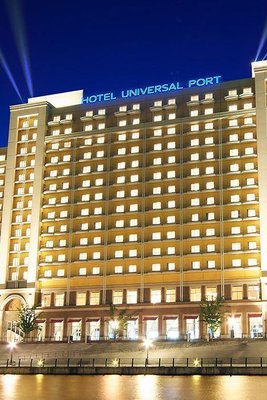
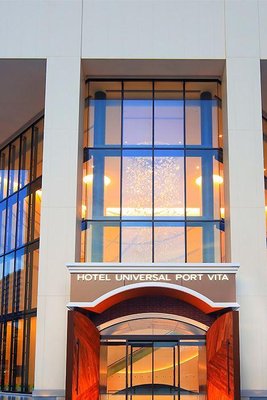
- Hotel Universal Port: Close to Universal Studios, with family rooms and kid-friendly amenities.
- Daiwa Roynet Hotel Shinsaibashi: Excellent location near shopping and dining options.
- Keihan Tenmabashi Hotel: Spacious rooms, some with views of Osaka Castle. Look for child discounts and check if cribs are available.
Top Hakone Ryokans with Private Onsen:
- Gora Kadan - Former imperial villa, each room has open-air granite baths (¥50,000+/night)
- Hakone Ginyu - Modern ryokan with infinity hot springs overlooking valleys
- Yama no Chaya - Affordable option with cedar-wood rotemburo (from ¥25,000)
📌 Note: Book 3+ months ahead for weekend stays. Kaiseki dinner included.
Kyoto Best Areas for Beginners:
• Gion/Higashiyama: Traditional machiya townhouses (try The Celestine) near temples • Karasuma-Oike: Central with direct airport access (e.g. Hotel Granvia Kyoto) • Arashiyama: Scenic bamboo forest area (luxury pick: Hoshinoya Kyoto)
🚆 Pro Tip: Stay within 500m of a subway station - buses get extremely crowded during cherry blossom season.
Top ryokans with private onsens in Hakone:
- Gora Kadan: Former imperial villa, features open-air granite baths with mountain views. Rates include kaiseki dinner.
- Hakone Yutowa: Modern-minimalist design, offers cypress-wood tubs in deluxe rooms. Free shuttle from Odawara Station.
- Yama no Chaya: Split across 3 riverside buildings, select rooms have steam saunas. Book early for cherry blossom season. Note: Most require advance reservation for dinner plans (typically 2-3 days prior).
Key factors when picking Shibuya vs Shinjuku hotels:
- Shibuya (e.g. Shibuya Excel Hotel): Best for nightlife & youth culture, close to Scramble Crossing but rooms are generally smaller.
- Shinjuku (e.g. Park Hyatt): Better for transport links (JR lines/Narita Express) and high-end dining. West side has quieter business hotels. Pro tip: Shinjuku's Kabukicho area has 24-hour amenities but can be noisy; families may prefer Nishi-Shinjuku's calmer options.
Other Countries You Might Like
Explore more amazing destinations
Tickets and local experiences
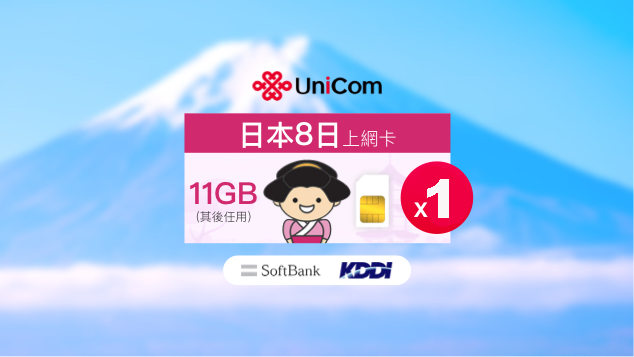
China Unicom-Japan 8-Day Data SIM Card (11GB) | Internet Card | Phone SIM
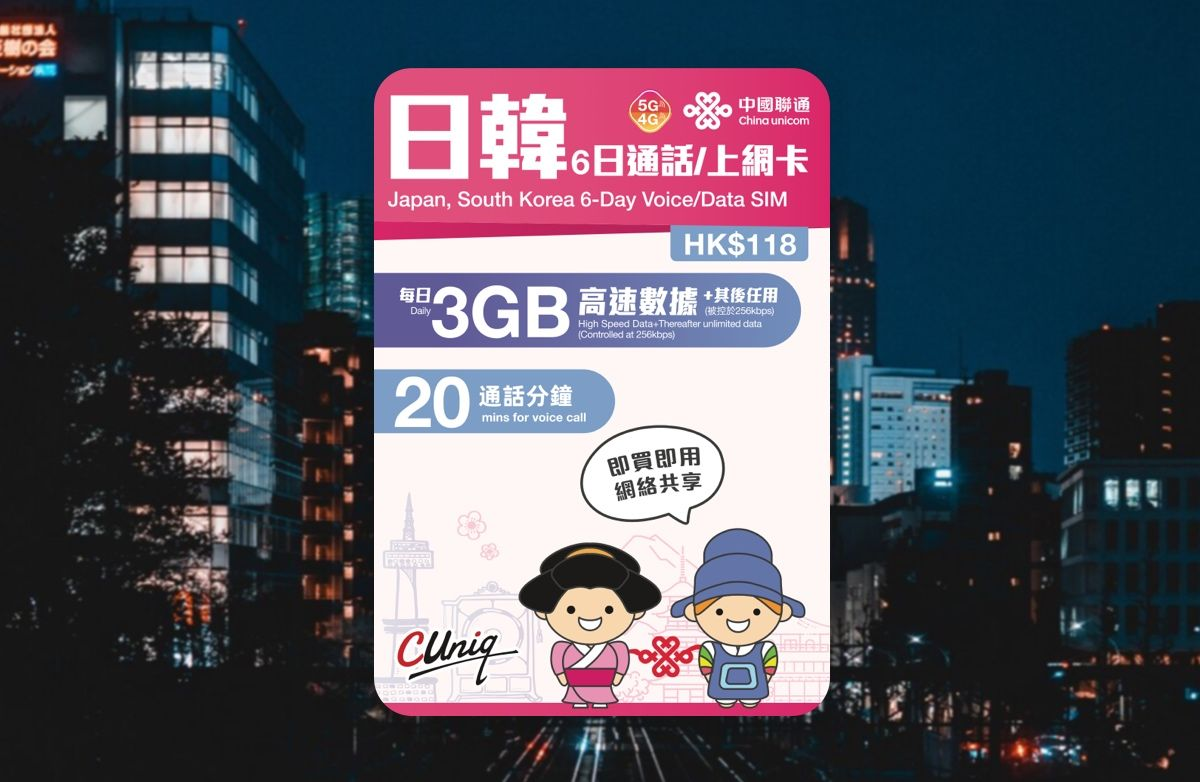
China Unicom-Japan & South Korea 6-Day Voice/Data SIM Card (Daily 3GB) | Internet Card | Phone SIM
VOYE Japan Unlimited Data
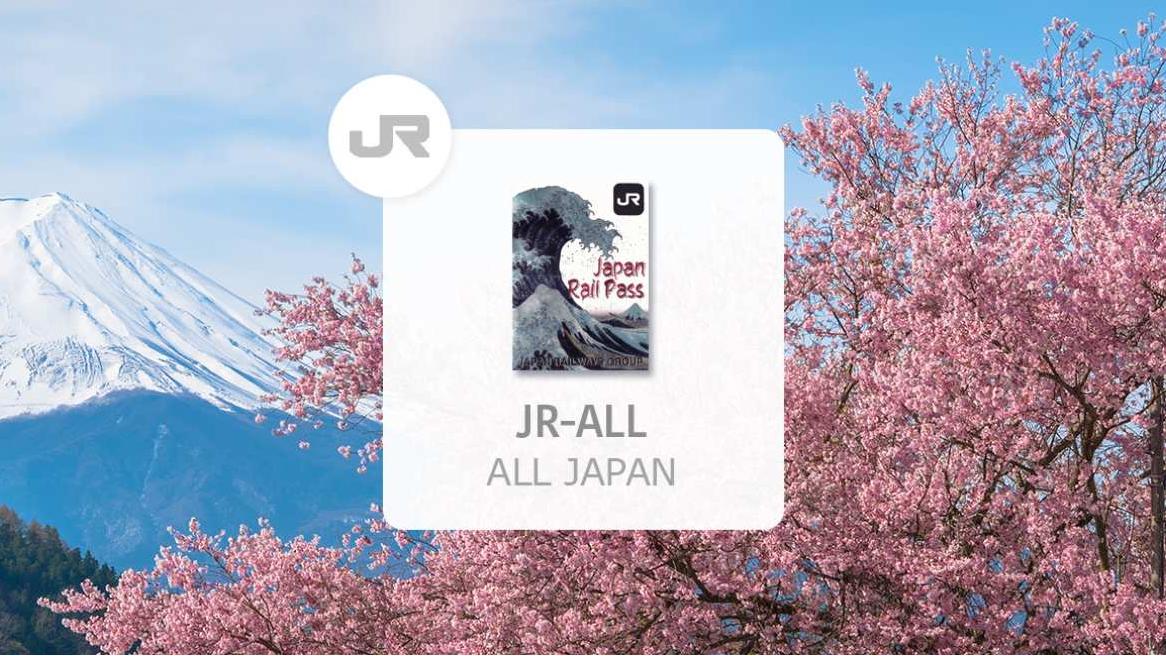
JR Pass All Japan Railway Pass